
The world of wearable technology just took a surprising turn. The Defense Health Agency (DHA), a key player in military healthcare, made headlines when it announced DHA cancels OuraRing biomet solicitation. Why did this happen? What does it mean for the future of health tech in the military? Let’s dive into the details and uncover the story behind this unexpected move.
What Was the OuraRing Plan?
The OuraRing, a sleek smart ring, tracks health metrics like stress, sleep, and heart rate. The DHA aimed to use these rings to monitor the well-being of medical staff across 130 military facilities. The goal? Boost performance, reduce burnout, and enhance resilience. The DHA cancels OuraRing biomet decision ended a contract that promised to deliver these high-tech rings to thousands of workers. Initially, the DHA awarded a sole-source contract to Ouraring Inc., the U.S. subsidiary of Finnish company Oura Health, in August 2024. The plan seemed promising, but trouble brewed quickly.
Why Did the Plan Face Pushback?
Competition drives innovation, but it also sparks disputes. Why was OuraRing chosen without open bidding? WHOOP’s protest to the Government Accountability Office (GAO) in late 2024 claimed the process favored Oura unfairly. The DHA responded by canceling the initial contract and issuing a new request for proposals, but with a catch: the wearable had to be a ring. This move still limited competition, as Oura was the only ring manufacturer cleared for use in secure Department of Defense (DoD) facilities. WHOOP struck again with a second protest in January 2025, intensifying the battle.
What Led to the Cancellation?
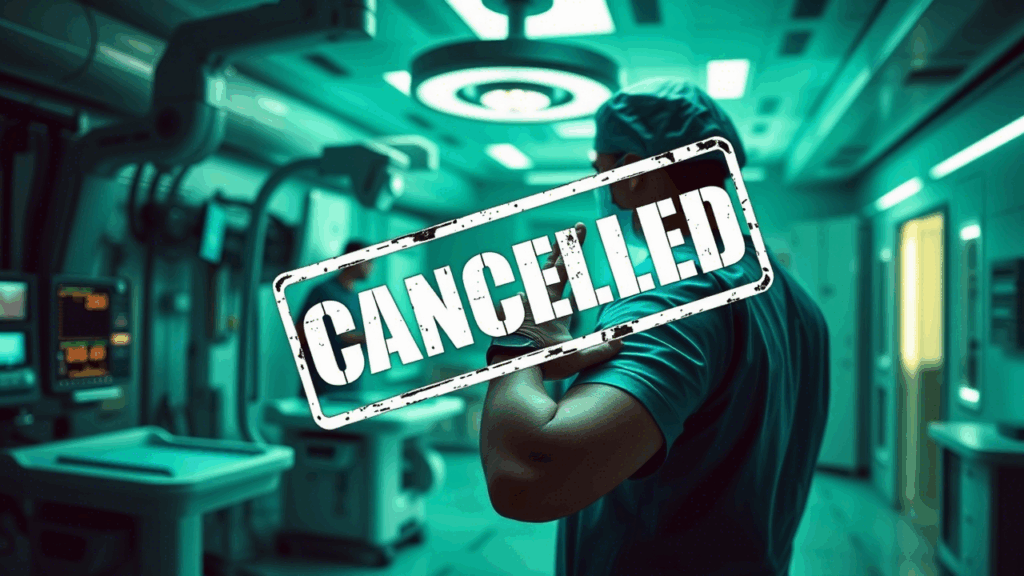
By March 2025, the DHA made a stunning decision: DHA cancels OuraRing biomet solicitation entirely. Official statements cited the project as “no longer required” and “not a priority.” Behind the scenes, multiple factors collided. Budget cuts under Defense Secretary Pete Hegseth’s review redirected $50 billion toward other priorities, like border security. The departure of DHA Director Lt. Gen. Telita Crossland, reportedly forced into retirement, also shifted the agency’s focus. The DHA cancels OuraRing biomet move left many wondering: was fairness or funding the real issue?
How Did Fairness Play a Role?
Fair competition keeps government spending in check. The DHA cancels OuraRing biomet saga highlights this principle. WHOOP argued that their wrist-based wearables could match Oura’s capabilities, yet the DHA’s ring-only requirement seemed to lock them out. Documents revealed Oura’s exclusive DoD security clearance gave it an edge, creating a “security certification paradox.” This advantage fueled accusations of favoritism. When DHA cancels OuraRing biomet, it signaled a commitment to fair procurement practices. WHOOP celebrated the decision, stating it ensured a “level playing field” for future opportunities.

What Were the Benefits of the OuraRing?
Oura’s smart ring offered impressive features. Its Photoplethysmography (PPG) sensor tracked over 20 biometrics, sampling 250 times per second with 99.9% accuracy compared to medical-grade devices. The DHA planned to pair these rings with a wellbeing platform, delivering personalized health insights, stress management tools, and leadership coaching. For healthcare workers, this could have meant better sleep, less burnout, and improved focus. An Oura executive noted that even a 1% reduction in staff turnover could have saved the DHA millions. So, why did DHA cancels OuraRing biomet kill such a promising initiative?
Could Budget Shifts Be the Culprit?
Money talks, and in the Pentagon, it shouts. The DHA cancels OuraRing biomet decision aligned with a broader budget overhaul. The Trump administration’s push to reallocate funds toward new priorities left little room for experimental programs. The $96 million contract, though small by DoD standards, became an easy target. With leadership changes and fiscal pressures mounting, the DHA likely saw cancellation as a safer bet than navigating ongoing protests and scrutiny. But does this mean wearable tech is off the table for good?
What’s the Environmental Angle?
Wearable tech isn’t just about health—it’s also about sustainability. OuraRings are compact, durable, and designed for long-term use, reducing electronic waste compared to bulkier devices. The DHA cancels OuraRing biomet plan may delay eco-friendly innovations in military healthcare. By prioritizing reusable, low-impact devices, the DHA could have set a green precedent. Instead, the cancellation shifts focus to other needs, potentially sidelining sustainable tech. Will future procurements consider environmental impact, or will cost-cutting take precedence?
What’s Next for Military Health Tech?
Industry experts predict biometric wearables will return to the military. The DHA may explore broader device options, like wristbands or patches, to avoid past pitfalls. Lessons from this saga emphasize transparency and competition in procurement. The DoD’s earlier success with OuraRings during COVID-19, where AI-driven risk scores predicted infections days in advance, shows the potential of wearables. Plans might prioritize open bidding and diverse technologies to balance innovation and fairness.
Why Should You Care?
The DHA cancels OuraRing biomet decision affects more than just military healthcare. It’s a case study in balancing innovation, fairness, and fiscal responsibility. For tech enthusiasts, it’s a reminder that even cutting-edge devices face real-world hurdles. For taxpayers, it underscores the importance of transparent government spending. And for healthcare workers, it’s a missed chance to harness data-driven wellness tools. The story asks a bigger question: how do we integrate new tech without compromising ethics or budgets?
Final Thoughts
The DHA cancels OuraRing biomet saga is a rollercoaster of ambition, rivalry, and reality checks. From protests to budget cuts, the cancellation reveals the challenges of adopting new technology in a high-stakes environment. As the DoD regroups, the future of biometric wearables remains bright but uncertain. What do you think—should the DHA give wearables another shot, or was cancellation the right call? The answers will shape the next chapter of health tech innovation.