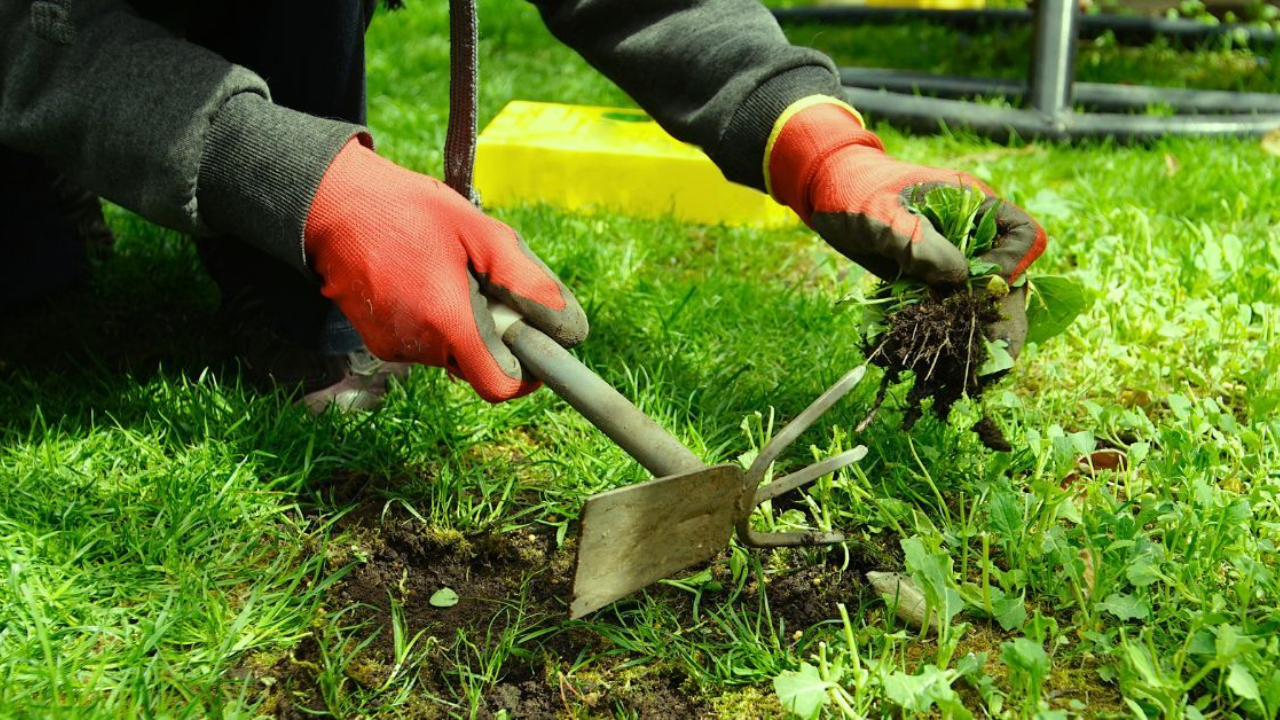
Weeds are one of the biggest headaches for farmers and gardeners alike. They compete with crops for nutrients, sunlight, and water, reducing yields and overall plant health. That’s where Betametacron comes in. This selective, systemic herbicide has become a trusted solution for controlling broadleaf weeds in crops like sugar beets, maize, and soybeans. Let’s dive into what makes Betametacron effective, how it works, and how to use it safely for the best results.
What is Betametacron?
Betametacron is part of the phenylcarbamate herbicide family, which is known for its selective action against broadleaf weeds. Unlike some herbicides that affect both crops and weeds, Betametacron is designed to target weeds while leaving crops largely unharmed when used correctly.
It is systemic, meaning it is absorbed by the plant and moves throughout its tissues. This ensures that not only the parts of the weed that are visible above ground are affected, but also the roots, preventing regrowth and long-term infestation.
How Betametacron Works
The magic of Betametacron lies in its mode of action. It inhibits Photosystem II, a crucial part of the photosynthesis process in plants. By blocking this system, the weed’s ability to produce energy is disrupted. Here’s what happens in simple terms:
- Absorption – The herbicide is absorbed through leaves and stems.
- Systemic Movement – It travels to roots and other parts of the weed.
- Inhibition of Photosynthesis – The plant can’t produce energy, leading to a lack of growth.
- Yellowing and Death – The affected weeds turn yellow, wither, and eventually die.
Because it works systemically, Betametacron is effective against perennial weeds that are known for sprouting back even after initial treatment.
Key Benefits of Using Betametacron
Betametacron offers a range of benefits for farmers and gardeners seeking efficient weed management:
- Selective Weed Control – Targets broadleaf weeds without harming most crops.
- Systemic Action – Reaches roots to prevent regrowth.
- Long-Term Protection – Stops weeds from coming back quickly.
- Improved Crop Yields – Reduces competition, allowing crops to thrive.
- Ease of Application – Can be applied via standard spraying equipment.
Weeds not only reduce crop yields but can also harbor pests and diseases. By controlling weeds effectively, Betametacron contributes to overall crop health and productivity.
Crops Compatible with Betametacron
Betametacron is commonly used in:
- Sugar Beets – Helps ensure maximum sugar content by keeping fields free of broadleaf weeds.
- Maize (Corn) – Protects young maize plants during critical growth stages.
- Soybeans – Keeps soybean fields clean, promoting healthy pod development.
It’s important to always check crop-specific guidelines, as the timing and dosage of application can vary depending on the type of crop and its growth stage.
Timing and Application Tips
For the best results with Betametacron, timing is everything. Here are some practical tips:
- Apply Early – Use when weeds are young and actively growing. Mature weeds may be less susceptible.
- Avoid Stress Conditions – Don’t apply during drought or extreme heat as plants may not absorb the herbicide effectively.
- Follow Dosage Guidelines – Overuse can harm crops; underuse may be ineffective.
- Use Proper Equipment – Sprayers should be calibrated to ensure even coverage.
- Check Weather – Avoid spraying before rain, as it can wash the herbicide off leaves.
We like to remind farmers that patience is key. The effects of Betametacron might take a few days to a couple of weeks to become fully visible, depending on weed type and weather conditions.
Safety Precautions
Like any herbicide, Betametacron should be used responsibly. Safety measures include:
- Protective Clothing – Wear gloves, long sleeves, and eye protection while handling.
- Avoid Drift – Ensure spraying is done carefully to prevent herbicide from reaching non-target plants.
- Proper Storage – Keep the product in a cool, dry place, away from children and pets.
- Environmental Awareness – Avoid contamination of water sources.
By following these precautions, you can safely use Betametacron without putting yourself, your crops, or the environment at risk.
Common Broadleaf Weeds Controlled
Betametacron is effective against a variety of common broadleaf weeds, including but not limited to:
- Pigweed
- Lambsquarters
- Morning glory
- Wild mustard
- Smartweed
These weeds are notorious for competing aggressively with crops, so having a reliable solution like Betametacron is a game-changer.
Combining Betametacron with Other Weed Management Practices
While Betametacron is powerful on its own, integrated weed management can improve results:
- Crop Rotation – Helps reduce weed seed buildup in the soil.
- Mechanical Control – Hoeing or tilling can remove large infestations.
- Cover Crops – Can suppress weed growth naturally.
- Targeted Herbicide Use – Sometimes combining herbicides with different modes of action can prevent resistant weeds.
By combining Betametacron with these practices, you get stronger, longer-lasting weed control.
Signs of Successful Application
After applying Betametacron, you can expect to see the following signs over the next few days to weeks:
- Leaf Yellowing – First visible symptom, usually on older leaves.
- Slowed Growth – Weeds will stop growing as they lose energy.
- Wilting and Browning – Weeds begin to die off from root to tip.
- Reduced Weed Regrowth – Roots die, preventing the weed from sprouting again.
Observing these signs confirms that the herbicide is working as intended.
Common Mistakes to Avoid
Even experienced farmers can make mistakes with herbicides. Some common errors to avoid with Betametacron include:
- Spraying Too Late – Mature weeds may survive.
- Ignoring Weather Conditions – Rain or extreme heat can reduce effectiveness.
- Incorrect Dosage – Either under- or over-application can lead to poor results.
- Not Following Crop Guidelines – Some crops may be sensitive at certain growth stages.
Paying attention to these factors ensures you get the maximum benefit from your Betametacron application.
Environmental Impact and Sustainability
Using Betametacron responsibly is key to maintaining environmental balance. Here’s what we keep in mind:
- Selective Targeting – Focuses on weeds, minimizing crop and soil impact.
- Reduced Weed Competition – Healthier crops may require fewer additional interventions.
- Avoiding Runoff – Proper application prevents contamination of nearby water sources.
By integrating herbicides like Betametacron into sustainable farming practices, we can balance productivity with environmental care.
Storage and Shelf Life
For optimal performance, store Betametacron in:
- Cool, Dry Places – Avoid extreme heat and moisture.
- Original Packaging – Prevents contamination and degradation.
- Out of Reach of Children and Animals – Safety first.
Most products have a shelf life of a few years if stored properly. Always check the label for expiration dates.
Conclusion
Weeds are more than just a nuisance—they’re a real threat to crop health and yield. With Betametacron, we have a reliable, selective, and systemic solution that targets broadleaf weeds efficiently. Its mode of action, systemic absorption, and long-lasting effects make it a powerful ally for farmers growing sugar beets, maize, soybeans, and similar crops. By using it responsibly, following timing and dosage guidelines, and integrating it with good agricultural practices, we can keep fields clean, crops healthy, and yields high.
Betametacron isn’t just another herbicide; it’s a tool for smarter farming and a step toward more productive, sustainable crop management.
Explore the latest entertainment news and reviews at XPressTime.