Have you ever wondered how architecture can blend ancient wisdom with modern eco-friendliness? Tubehalote grabs your attention as a fresh, sustainable design style that transforms homes and communities. You dive into this concept and discover a world where buildings breathe with nature. Experts review tubehalote as a game-changer for green living. You feel the excitement as you learn how it merges tradition and innovation without compromising the planet.
What Defines Tubehalote?
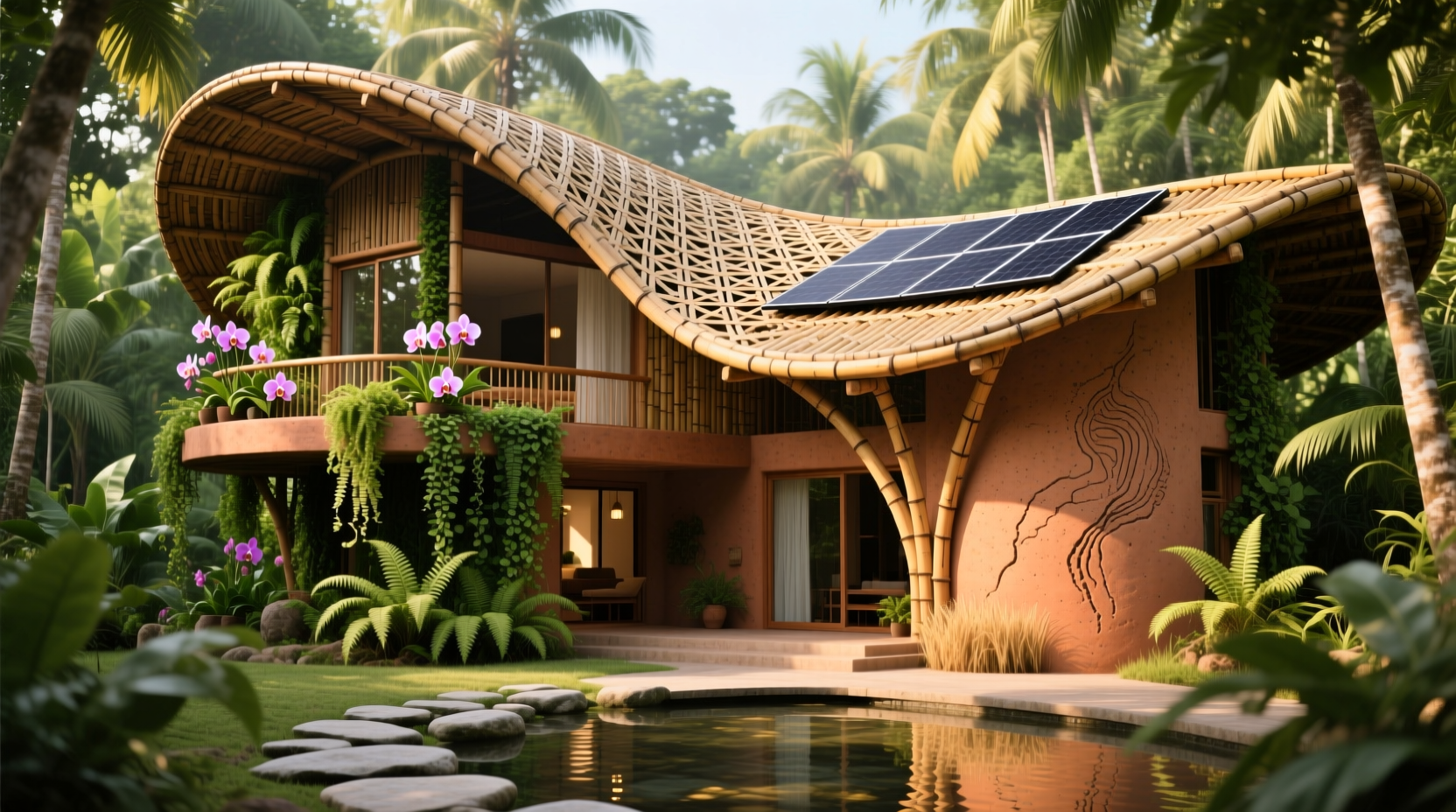
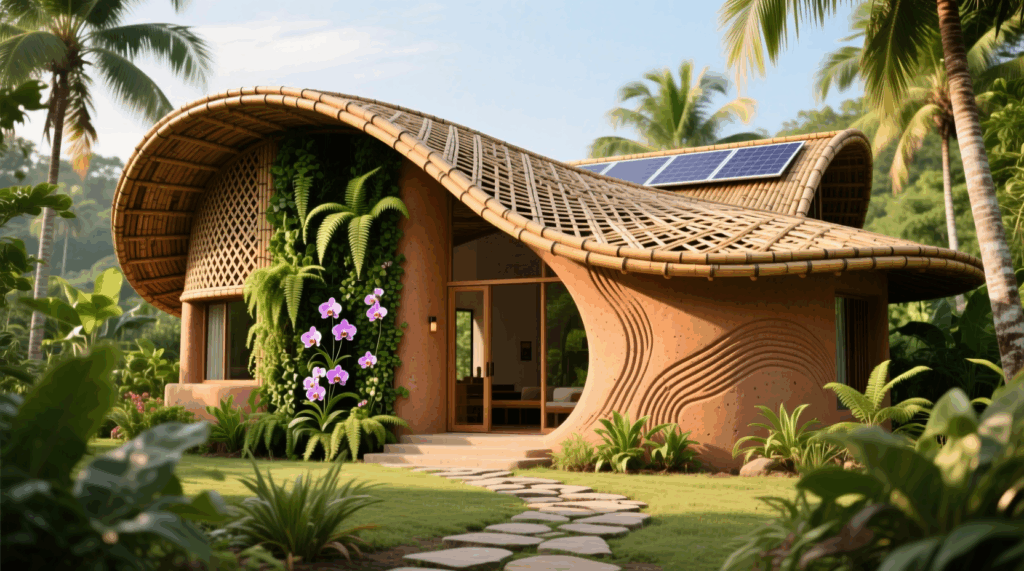
Tubehalote stands out as an architectural philosophy that champions harmony between humans and the environment. Architects craft structures using renewable materials like bamboo, clay, and recycled stone. You notice how these choices cut down on waste right from the start. Designers align spaces to capture natural light, slashing energy bills for homeowners. You imagine walking into a tubehalote home where curved roofs echo rolling hills and walls textured with earth invite touch.
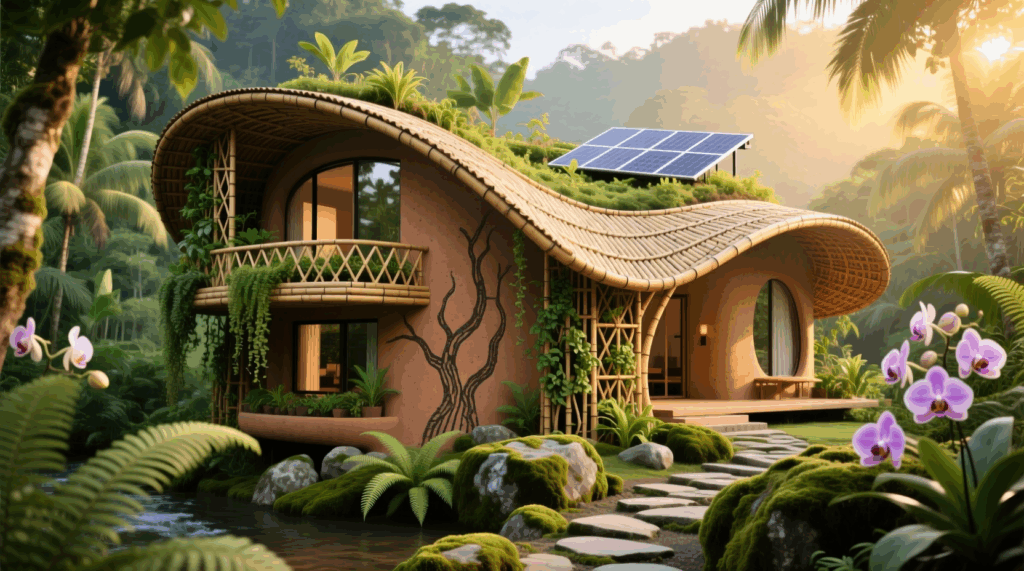
This style rejects rigid lines for organic shapes that flow seamlessly into landscapes. You see gardens weaving through buildings, blurring indoors and outdoors. Builders incorporate rainwater harvesting and solar panels as standard features. You appreciate how tubehalote keeps things simple yet profound, focusing on what truly matters for daily life.
The Origins of Tubehalote
Cultures around the world inspire tubehalote with their time-tested ways of living in tune with nature. Architects draw from ancient settlements where people built durable homes from local resources. You trace its roots to communities that prioritized balance long before sustainability trends exploded. Modern designers adapt these ideas, honoring heritage while meeting today’s demands.
You explore how tubehalote evolved from observations of traditional villages. Builders reshaped old techniques into a framework that resonates now. Communities adopt this style to preserve cultural identity amid rapid urbanization. You sense the pride in structures that tell stories of the past through eco-conscious lenses.
Key Features That Shine
Tubehalote boasts features that make it practical and appealing. Designers use natural ventilation through open layouts, letting breezes cool spaces without fans or AC. You benefit from energy-efficient windows that flood rooms with sunlight, reducing reliance on artificial lights. Materials like earth-based insulation maintain comfortable temperatures year-round.
You spot the cultural reflections in every detail—patterns inspired by local folklore adorn walls, blending aesthetics with meaning. Builders minimize waste by sourcing locally, supporting economies and cutting transport emissions. You enjoy the versatility as tubehalote suits homes, offices, and public spaces alike. This adaptability draws people who crave personalized, planet-friendly environments.
Benefits for Your Lifestyle
Why choose tubehalote for your next build? You slash your carbon footprint with designs that harness renewable energy. Homeowners report lower utility costs thanks to smart resource use. You live healthier in spaces free from synthetic materials that off-gas toxins. Maintenance stays easy because natural elements withstand time better than processed ones.
You gain peace of mind knowing your home supports biodiversity—integrated gardens attract wildlife and purify air. Communities thrive as tubehalote fosters social bonds through shared green areas. You experience long-term savings, with structures lasting generations without major repairs. This style delivers beauty that feels authentic, not forced.
Experts praise tubehalote for addressing urban challenges like heat islands and pollution. You see cities adopting it to create cooler, greener neighborhoods. Families bond over the comfort it provides, turning houses into sanctuaries.
Challenges and Solutions
Does tubehalote face hurdles? Skeptics question its scalability in dense cities. Builders counter this by adapting designs to urban lots, using vertical gardens and compact footprints. You overcome material shortages by innovating with recycled alternatives. Costs align with traditional builds when planners source smartly.
You tackle weather concerns with reinforced natural elements that endure storms. Communities educate residents on maintenance, ensuring longevity. You turn potential drawbacks into strengths, making tubehalote resilient and accessible.
Global Impact Today
Around the globe, tubehalote inspires architects to rethink sustainability. You witness projects in Asia reviving bamboo traditions with modern twists. European cities integrate it into retrofits, breathing new life into old buildings. You join a movement where design choices combat climate change head-on.
Young professionals flock to tubehalote communities for their vibrant, eco-vibe. Planners use it to build resilient neighborhoods against environmental shifts. You contribute to a healthier planet by choosing this path.
Future Visions for Tubehalote
What lies ahead for tubehalote? Innovators push boundaries with tech integrations like smart sensors for energy optimization. You envision widespread adoption as regulations favor green builds. Homeowners demand it, driving market growth.
You participate in workshops that teach tubehalote principles, spreading knowledge. Cities plan entire districts around this style, creating urban oases. You shape a future where architecture heals rather than harms.
Why Tubehalote Matters to You
Tubehalote invites you to live intentionally, blending eco-responsibility with cultural depth. You choose it for the joy of spaces that feel alive and connected. This style challenges you to question conventional builds and embrace better alternatives.