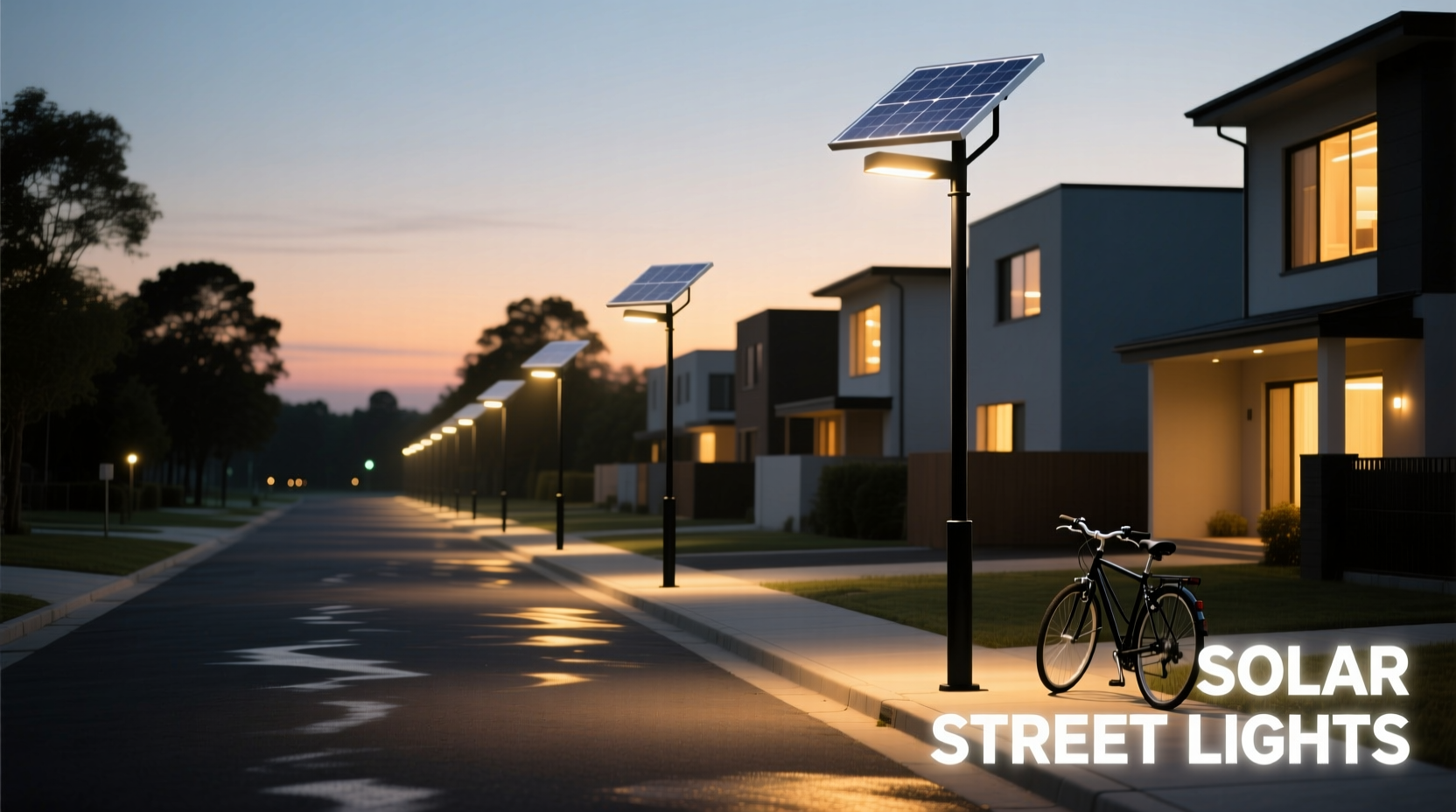
As cities grow and urban areas expand, the demand for effective and sustainable street lighting has become increasingly important. Traditional lighting solutions rely heavily on electricity, often leading to high operational costs and contributing to environmental concerns. Solar street lights are emerging as a highly efficient alternative, harnessing renewable energy to illuminate streets, parks, and public spaces while reducing energy consumption. These systems are designed to enhance public safety, decrease electricity dependence, and promote sustainable urban development.
Solar Street Lights are more than just functional fixtures—they represent a shift in how communities approach infrastructure. By using advanced solar LED technology, modern systems store energy during the day and provide consistent illumination at night, even in challenging weather conditions. In addition, these systems are scalable, easy to install, and can integrate with smart city solutions, allowing municipalities and property owners to implement long-term sustainable lighting strategies.
Highlighting the Perks of Solar Street Lights
- Energy Efficiency and Cost Savings- Solar lights convert sunlight into electricity, eliminating or significantly reducing electricity bills. Modern solar LED systems are highly efficient, providing bright illumination while consuming minimal energy. Beyond cost savings, this energy independence allows communities to allocate resources toward other projects such as road improvements, park development, or public safety initiatives, making solar lighting a financially intelligent solution.
- Eco-Friendly Lighting Solutions- These lights help cities reduce carbon emissions and limit reliance on fossil fuels. By switching to solar-powered lighting, communities support environmental sustainability initiatives and reduce their overall ecological footprint. Solar lights are a step toward greener urban spaces, improving air quality and setting an example for eco-conscious urban planning.
- Smart City Integration- Modern street lights can incorporate smart technology, including IoT connectivity, motion detection, and adaptive lighting systems. These features allow for real-time monitoring, remote control, and energy optimization. Such integration enables cities to maintain safety, track maintenance needs efficiently, and create intelligent lighting systems that respond to environmental and human activity.
- Reliability During Power Outages- Unlike traditional street lights that fail when power grids experience outages, street lights operate independently. Energy storage systems ensure uninterrupted lighting, enhancing safety and community confidence. This feature is particularly valuable for emergency routes, parks, and remote areas where reliable lighting can prevent accidents and support critical services.
- Easy Installation and Maintenance- Modern solar lights require minimal infrastructure, reducing installation costs compared to traditional systems. Many designs are retrofit-friendly, allowing existing poles to be upgraded without extensive construction. Additionally, low maintenance requirements and durable materials mean fewer replacements, saving both time and money for municipalities and property managers.
Additional Advantages of Solar Street Lighting
- Scalable Solutions for Growing Cities
Solar street lights can be implemented incrementally, allowing cities to expand lighting networks as budgets and needs evolve. This flexibility makes solar lighting a practical solution for urban planners who want to prioritize sustainable infrastructure without significant upfront investment. - Enhanced Safety and Community Well-Being
Well-lit streets, pathways, and public spaces are essential for safety and security. Solar lighting improves visibility in residential neighborhoods, commercial districts, and parks, reducing the likelihood of accidents and crime while increasing public confidence in community spaces. - Reduced Carbon Footprint
Solar street lighting contributes directly to reducing greenhouse gas emissions. By relying on renewable energy, municipalities can meet sustainability targets, lower overall energy consumption, and foster environmentally responsible urban development. - Promotes Public Awareness
Visible solar lights often encourage communities to engage in sustainable practices. They act as educational tools and visual reminders of the benefits of renewable energy, fostering environmental consciousness among residents.
Considerations When Choosing Solar Street Lights
When selecting street lights, factors such as battery storage capacity, LED efficiency, and pole durability should be considered. Energy storage ensures lighting during cloudy days or extended nighttime usage, while high-efficiency LEDs provide optimal brightness with minimal energy use. Additionally, weather-resistant materials extend the lifespan of lighting systems, making them a sustainable investment for long-term urban development.
Integration with smart technologies, including adaptive dimming, motion sensors, and remote monitoring, can further enhance operational efficiency. These features allow for energy optimization, predictive maintenance, and overall system management that ensures streets remain well-lit without unnecessary energy waste.
Solar Street Lights are revolutionizing urban infrastructure by combining efficiency, sustainability, and reliability. With their energy independence, low maintenance requirements, and adaptability to smart city initiatives, these lighting solutions provide safe and environmentally responsible illumination. By investing in solar street lighting, municipalities, commercial properties, and communities can create brighter, greener, and more resilient urban spaces, setting the foundation for a sustainable future that balances technology, cost-effectiveness, and environmental stewardship.