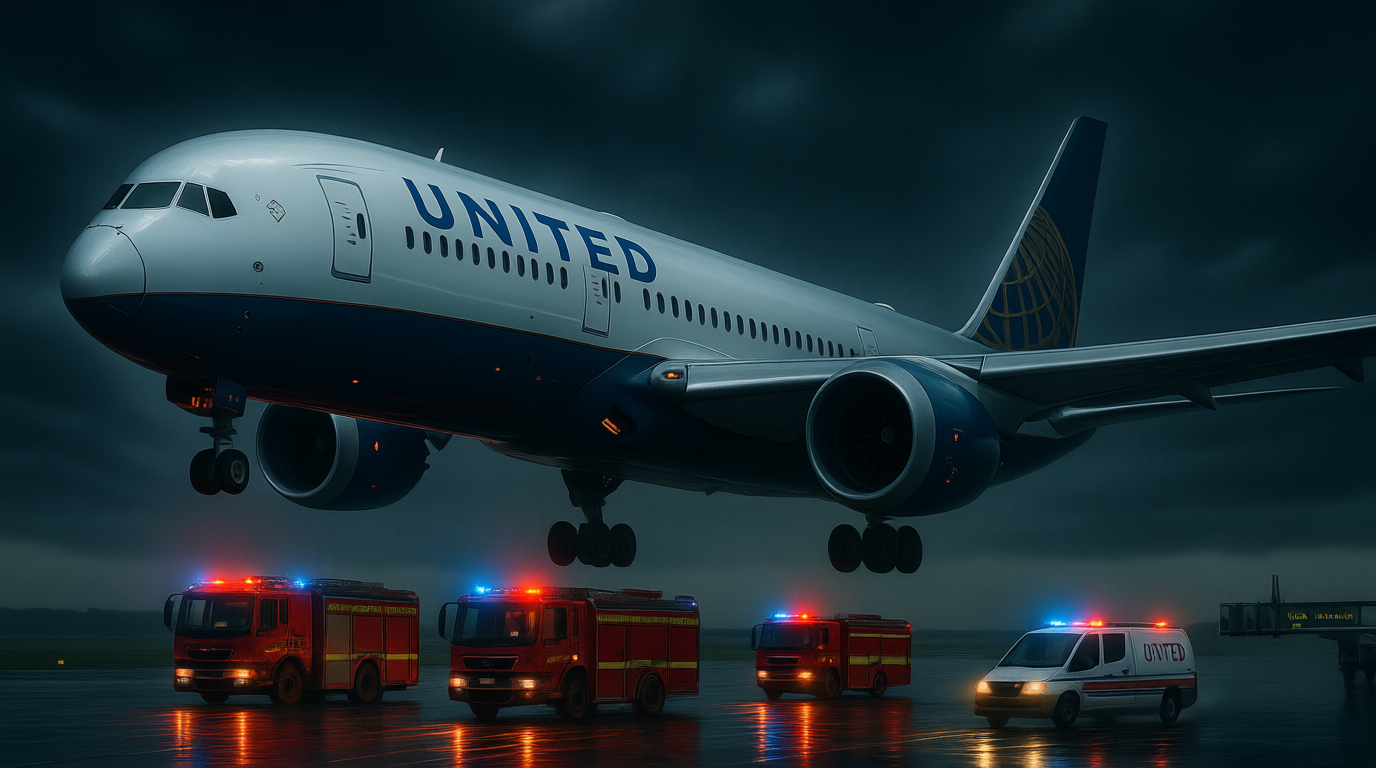
Imagine settling into your seat, ready for a routine flight, only to hear the captain’s voice crackle over the intercom with an unexpected announcement. That’s exactly what passengers on United Airlines Flight UA770 E experienced on May 27, 2025. This transatlantic journey from Barcelona to Chicago took a dramatic turn, leading to an emergency diversion that grabbed headlines worldwide. Let’s dive into the details of this gripping incident, explore why it happened, how the crew handled it, and what it means for air travel safety. Buckle up for a story that’s equal parts tense and inspiring!
A Routine Start Turns Tense
Picture a Boeing 787-9 Dreamliner, sleek and modern, taking off from Barcelona–El Prat Airport at 9:10 a.m. local time. United Airlines Flight UA770 E carried 257 passengers and 12 crew members, all expecting a smooth nine-hour trip to Chicago O’Hare. The skies were clear, the weather calm, and the in-flight entertainment screens flickered to life. Passengers sipped coffee, flipped through magazines, or dozed off, unaware of the drama about to unfold. About two hours into the flight, over the coast of western France, something went wrong. The plane’s transponder suddenly broadcasted “Squawk 7700,” the universal code for an in-flight emergency. What could turn a routine flight into a high-stakes situation?
Why Did United Airlines Flight UA770 E Divert?
The exact cause of the emergency on United Airlines Flight UA770 E centered on a suspected cabin pressure issue. Reports suggest the air pressure inside the cabin dropped, triggering oxygen masks to deploy automatically. This isn’t just a minor inconvenience—cabin pressure is critical for passenger safety at 37,000 feet. A sudden drop can affect breathing, making a swift response essential. The pilots, following strict safety protocols, initiated a controlled descent and rerouted the plane to London Heathrow, the nearest major airport equipped to handle a wide-body aircraft like the Boeing 787-9. Why Heathrow? Its long runways, advanced emergency services, and proximity made it the safest choice. The decision was clear: land quickly and safely.
The Crew’s Response Shines
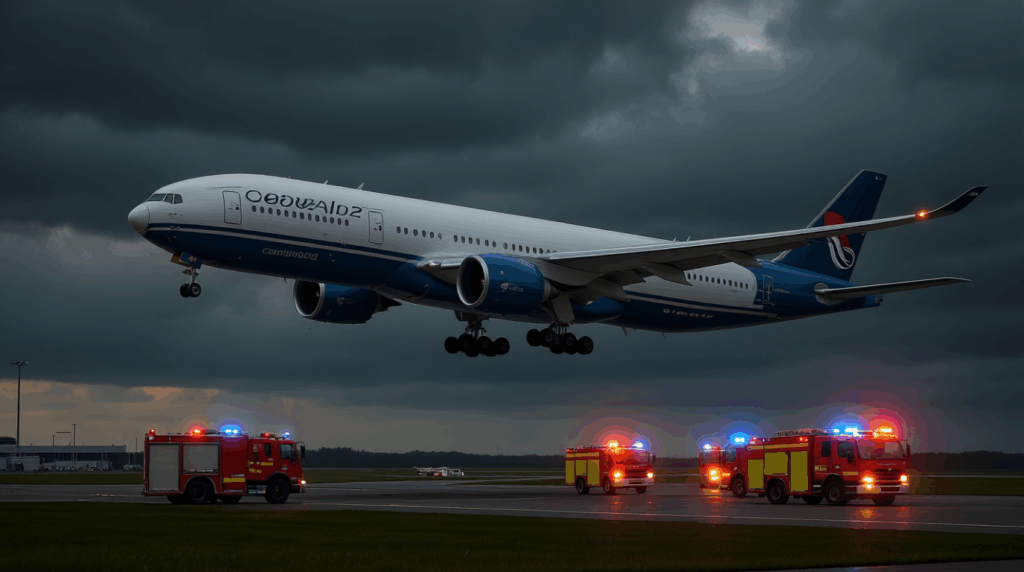
When the captain announced the diversion, the cabin crew on United Airlines Flight UA770 E sprang into action. Trained for high-pressure scenarios, they remained calm, guiding passengers to secure seatbelts and follow oxygen mask instructions. Their calm kept us calm.” The pilots, meanwhile, coordinated with air traffic control across European airspace, securing priority landing clearance on Heathrow’s Runway 27R. By 12:05 p.m. local time, just under an hour after the emergency declaration, the plane touched down smoothly. Emergency responders, including paramedics and fire crews, met the aircraft, ready for any scenario. How did the crew turn a potential crisis into a textbook landing?
Passenger Experience: From Worry to Relief
Onboard United Airlines Flight UA770 E, the mood shifted from relaxed to uneasy as oxygen masks dropped. Some passengers gripped armrests, others whispered nervously, but the crew’s clear communication prevented panic. A traveler in row 38 posted on social media, “You could feel the tension, but the captain’s updates were reassuring.” After landing, passengers disembarked at Gate B44, where United staff provided snacks, water, and rebooking assistance. For some, the diversion meant missed connections or delayed plans, but most expressed gratitude for the safe outcome. One parent tweeted, “My kid just asked if we’re still going to Chicago. Bless the crew for keeping it together!” How would you feel in that moment, hearing the plane is diverting?
United Airlines Steps Up
After United Airlines Flight UA770 E landed safely, the airline moved quickly to support passengers. They offered meal vouchers, hotel accommodations for those needing overnight stays, and free rebooking on later flights. The Boeing 787-9, registration N26902, underwent thorough inspections to pinpoint the cabin pressure issue. United issued a statement emphasizing safety: “The diversion was a precautionary measure to ensure everyone’s well-being.” The airline’s transparency and swift action earned praise, though some passengers noted communication about luggage transfers could have been clearer. How does an airline balance passenger care with technical investigations in such moments?
Technology and Training Save the Day
The safe landing of United Airlines Flight UA770 E wasn’t just luck—it was a triumph of technology and training. The Boeing 787-9’s advanced systems, monitoring over 280,000 data points, alerted the crew to the pressure issue early. Real-time data streamed to United’s operations center in Chicago, while air traffic control used AI-powered logistics to clear airspace for the landing. The pilots relied on the Flight Management System to calculate the optimal descent path, freeing them to focus on flying. Meanwhile, the crew’s rigorous training—simulating emergencies like cabin pressure drops—ensured they acted with precision. Isn’t it remarkable how human skill and cutting-edge tech work together?
What Can We Learn?
The United Airlines Flight UA770 E incident highlights why aviation remains one of the safest travel modes. Emergency diversions, though rare (only 1 in 30,000 flights), show the industry’s commitment to safety. The event prompted United to review its maintenance protocols, particularly for cabin pressure systems. It also underscored the importance of crew training and clear passenger communication. For travelers, it’s a reminder to stay calm and follow instructions during unexpected events. Could this incident inspire airlines to enhance safety checks even further?
Flying Safer Than Ever
No injuries occurred, and all 257 passengers reached their destinations, albeit with a detour. The incident, handled with professionalism, reinforces trust in air travel. Next time you board a flight, remember the unseen systems and skilled crews ready to keep you safe. Have you ever experienced a flight disruption? The United Airlines Flight UA770 E saga shows how preparation turns challenges into success stories. Fly safe, and stay curious!