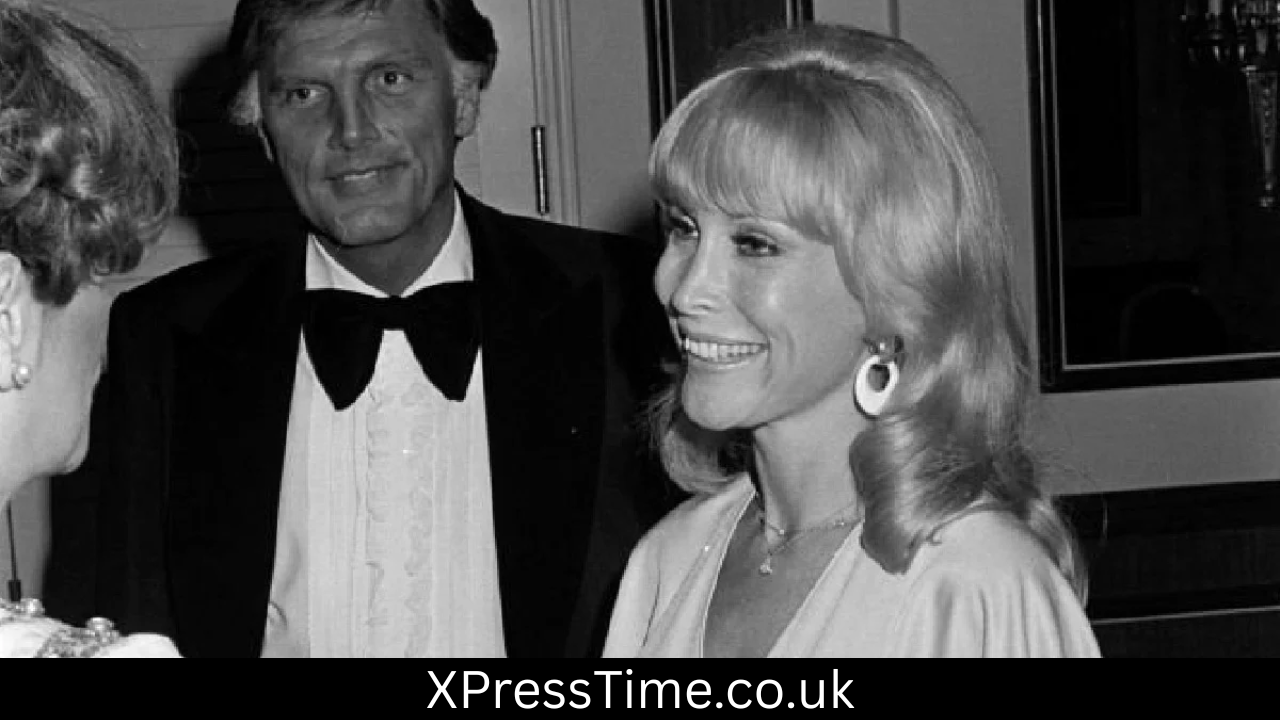
Charles Donald Fegert (1930–2002), often known as “Chuck” Fegert, was a prominent Chicago-based advertising executive and newspaper industry leader. While many people recognize his name because of his marriage to actress Barbara Eden, Fegert’s life and career extended far beyond his connection to Hollywood. He was a respected figure in Chicago’s media and business circles, known for his sharp business instincts, charisma, and leadership within the newspaper industry.
Quick Bio Table: Charles Donald Fegert
| Full Name | Charles Donald Fegert |
| Known As | Chuck Fegert |
| Date of Birth | November 8, 1930 |
| Place of Birth | Chicago, Illinois, USA |
| Date of Death | September 25, 2002 |
| Age at Death | 71 years |
| Place of Death | Chicago, Illinois, USA |
| Nationality | American |
| Ethnicity | Caucasian |
| Religion | Christianity (believed) |
| Profession | Advertising Executive, Newspaper Industry Leader |
| Famous For | Senior Executive at Chicago Sun-Times, Marriage to Barbara Eden |
| Education | Studied in Chicago (specific college not publicly documented) |
| Father | Information not publicly available |
| Mother | Information not publicly available |
| Siblings | Not widely documented |
| Marital Status | Divorced |
| Ex-Spouse | Barbara Eden (m. 1977 – div. 1982) |
| Children | Not publicly documented |
| Height | Approximately 5 feet 10 inches (estimated) |
| Weight | Approximately 75–80 kg (estimated during prime years) |
| Net Worth | Estimated $1–3 million at time of death (approximate) |
| Residence | Chicago, Illinois |
Also Read: Lalania Hudson: A Rising Creative Voice Beyond a Famous Last Name
Early Life and Background
Charles Donald Fegert was born on November 8, 1930, in Chicago, Illinois. Growing up in one of America’s largest and most influential cities, he was surrounded by a fast-moving urban environment that would later shape his career in media and advertising.
Details about his parents and early family life are limited, as Fegert maintained a relatively private personal background. What is known is that he was raised in Chicago during a time when newspapers were the dominant source of information and advertising. The bustling newsroom culture and the power of print media would eventually become central to his professional journey.
As a young man, Fegert displayed ambition, confidence, and natural communication skills. Those qualities later helped him rise through the competitive ranks of the newspaper industry.
Career in the Newspaper Industry
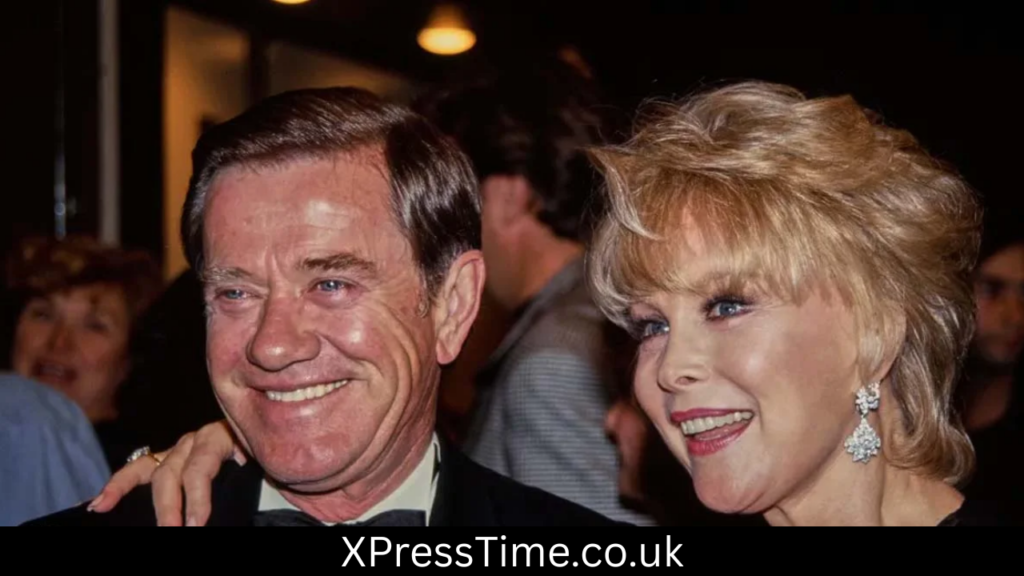
Charles Donald Fegert built a strong reputation in Chicago’s media world. His career primarily revolved around advertising and executive leadership in major newspapers.
Chicago Sun-Times
Fegert became a senior executive at the Chicago Sun-Times, one of the city’s most influential newspapers. The Sun-Times was known for its competitive stance against the Chicago Tribune, and working at such a high level required strategic thinking, strong networking skills, and a deep understanding of advertising revenue models.
As an advertising executive, Fegert played a key role in managing relationships with corporate clients, securing advertising contracts, and maintaining revenue streams for the publication. In the pre-digital era, advertising was the lifeblood of newspapers, and executives like Fegert were essential to keeping operations profitable.
He earned respect in Chicago’s business community for his sharp mind and persuasive personality. Colleagues often described him as charismatic, well-dressed, and socially confident—traits that helped him thrive in high-pressure negotiations and executive meetings.
Chicago Daily News
In addition to his role at the Sun-Times, Fegert was also associated with the Chicago Daily News. His involvement in major media organizations further cemented his standing as a powerful figure in Chicago’s newspaper industry.
During the mid-20th century, newspapers were at the height of their influence. Advertising executives were not just sales professionals; they were strategic players who shaped how businesses reached the public. Fegert’s career unfolded during this golden era of print media.
His leadership and business acumen allowed him to maintain a high-profile presence in Chicago’s social and professional circles.
Public Recognition and Social Status
By the 1970s, Charles Donald Fegert was more than just a newspaper executive—he was a well-known figure in Chicago society. His professional success gave him access to elite business gatherings, charity events, and influential social networks.
He was often described as polished and intelligent. His confidence and communication skills made him a natural presence in executive settings. It was this charm that eventually caught the attention of Hollywood actress Barbara Eden.
Marriage to Barbara Eden
One of the most publicly discussed chapters of Charles Donald Fegert’s life was his marriage to Barbara Eden, the actress best known for her role as Jeannie in the classic television series I Dream of Jeannie.
How They Met
Although detailed accounts of their first meeting are limited, Fegert and Eden met during a period when both were prominent figures in their respective fields—Eden in entertainment and Fegert in media and advertising.
At the time, Fegert was considered a high-profile executive in Chicago, while Eden was already a household name across America.
Marriage
Charles Donald Fegert and Barbara Eden married on September 3, 1977. Their wedding brought together the worlds of Hollywood glamour and Chicago business sophistication.
For a time, their relationship appeared strong. Eden later described Fegert as charming, intelligent, and charismatic when they first met. His executive presence and polished personality likely complemented Eden’s celebrity lifestyle.
Their marriage placed Fegert in the national spotlight in a way he had not experienced before. While he was already respected in Chicago, being married to a major television star brought additional public attention.
Personal Struggles and Marital Challenges
Despite the promising start to their marriage, the relationship eventually faced serious challenges.
In her 2011 memoir, Jeannie Out of the Bottle, Barbara Eden opened up about her marriage to Charles Donald Fegert. She described how his behavior changed over time, particularly as he began struggling with substance abuse.
According to Eden’s account, Fegert’s increasing volatility and issues with alcohol and drugs created tension and instability in their marriage. The charm and intelligence she initially admired were overshadowed by personal struggles that affected their relationship deeply.
Substance abuse is often a private battle that spills into personal relationships, and in this case, it contributed to the breakdown of their marriage.
Divorce
After five years together, Charles Donald Fegert and Barbara Eden divorced in 1982.
The divorce marked a turning point in Fegert’s public narrative. While he continued to be recognized in Chicago business circles, his marriage to Eden remained a defining part of his public identity.
For Eden, the divorce was part of a broader personal journey she later detailed in her memoir. For Fegert, it signaled the end of his most publicly visible relationship.
Life After Divorce
Following the divorce, Charles Donald Fegert largely returned to a more private life in Chicago. He remained connected to the media and advertising world but did not maintain the same level of national attention he had during his marriage to Eden.
Chicago remained his home base. Unlike many individuals connected to Hollywood, Fegert’s identity was firmly rooted in his city and professional community.
While detailed public records of his later professional endeavors are limited, he continued to be known as a respected former executive in the newspaper industry.
Personality and Reputation
Those who knew Charles Donald Fegert often described him as:
• Confident
• Intelligent
• Persuasive
• Socially skilled
• Well-connected
However, personal accounts also suggest he had a more complicated side, particularly during his later years. Like many high-powered executives of his era, he operated in a high-stress environment where social drinking and business entertainment were common.
His life reflects the duality often seen in public figures—professional success paired with private struggles.
Net Worth and Financial Standing
At the time of his death in 2002, Charles Donald Fegert’s estimated net worth was between $1 million and $3 million. This estimate is based on his long-standing executive roles in major Chicago newspapers.
During the peak years of print advertising, senior executives earned substantial incomes. While he was not a celebrity businessman on a national scale, he enjoyed financial stability and a comfortable lifestyle.
His wealth primarily came from:
• Executive salary
• Advertising commissions and bonuses
• Business investments (likely, though not publicly detailed)
Death and Legacy
Charles Donald Fegert passed away on September 25, 2002, in Chicago, Illinois, at the age of 71.
His death marked the end of a life that spanned significant eras in American media—from the dominance of print newspapers to the early rise of digital media.
Though he is often remembered in connection with Barbara Eden, Fegert’s professional contributions to Chicago’s newspaper industry remain an important part of his legacy.
He represented a generation of advertising executives who helped sustain traditional media through relationship-building, negotiation skills, and strategic planning.
Impact on Chicago Media
Fegert worked during a time when newspapers were central to American life. Before online platforms and social media, newspapers were the primary source of news, advertisements, classifieds, and public information.
Executives like Fegert played a crucial behind-the-scenes role. They ensured businesses continued investing in print advertising, which kept publications financially strong.
Without advertising revenue, newspapers could not survive. In that sense, Fegert’s work directly supported journalism and public information systems in Chicago.
Relationship with Fame
Unlike Barbara Eden, Charles Donald Fegert was not an entertainer. He did not seek public adoration or national recognition. His fame largely came through association.
Yet, his story is a reminder that behind many celebrities are individuals from entirely different professional worlds. His marriage to Eden briefly merged Hollywood and Chicago business culture.
The attention may have been temporary, but it permanently linked his name to television history.
A Complex but Human Story
Charles Donald Fegert’s life cannot be reduced to a single headline. He was:
• A Chicago native
• A successful advertising executive
• A high-profile businessman
• A husband to a television icon
• A man who faced personal struggles
• A professional who lived through major changes in media history
His story reflects ambition, success, visibility, difficulty, and privacy—all in one lifetime.
Final Thoughts
Charles Donald Fegert may not be a household name to everyone, but his life remains noteworthy for several reasons. He built a successful career in one of America’s most competitive newspaper markets. He rose to executive leadership at a time when print media shaped public opinion. He moved within influential social circles in Chicago. And for five years, he was married to one of television’s most beloved actresses.
Like many real-life stories, his journey included both achievements and hardships. His professional accomplishments in the Chicago Sun-Times and Chicago Daily News reflect a man who understood business and media. His personal struggles show the complexity of human experience behind polished public images.
Charles Donald Fegert passed away in 2002, but his life remains part of both Chicago media history and Hollywood biography. Whether remembered as “Chuck” the executive or as Barbara Eden’s second husband, his story continues to interest those curious about the people behind public figures.
In the end, he was not simply defined by fame or controversy. He was a Chicago businessman who lived through an era of powerful newspapers, dynamic social change, and personal challenges—leaving behind a layered and very human legacy.
FAQs About Charles Donald Fegert
1. Who was Charles Donald Fegert?
Charles Donald Fegert was a Chicago-based advertising executive and newspaper industry leader. He is best known for serving as a senior executive at the Chicago Sun-Times and for being the second husband of actress Barbara Eden.
2. When was Charles Donald Fegert born?
He was born on November 8, 1930, in Chicago, Illinois, USA.
3. When did Charles Donald Fegert die?
He passed away on September 25, 2002, in Chicago, Illinois, at the age of 71.
4. What was Charles Donald Fegert’s profession?
He worked as an advertising executive and held senior leadership roles in major Chicago newspapers, including the Chicago Sun-Times and the Chicago Daily News.
5. Why is Charles Donald Fegert famous?
While he had a successful career in the newspaper industry, he became widely known due to his marriage to actress Barbara Eden, star of the television series I Dream of Jeannie.
6. When did Charles Donald Fegert marry Barbara Eden?
Charles Donald Fegert married Barbara Eden on September 3, 1977.
7. How long were Charles Donald Fegert and Barbara Eden married?
They were married for five years before divorcing in 1982.
8. Why did Charles Donald Fegert and Barbara Eden divorce?
According to Barbara Eden’s 2011 memoir Jeannie Out of the Bottle, their marriage deteriorated due to Fegert’s struggles with substance abuse and increasing volatility, which created serious tension in their relationship.
Explore the latest entertainment news and reviews at XPressTime.