Ever stumbled upon a phrase that hits like a playful slap? You dive into Haitian Creole, and suddenly yon bet debaz jumps out, dripping with wit and wisdom. What secrets does this gem hide? You wonder if it unlocks doors to culture, humor, and raw human truth. Buckle up, reader—we dive deep into yon bet debaz, that fiery expression that turns everyday chats into cultural fireworks. You laugh, you learn, and you leave sharper. Ready to explore?
What Sparks Yon Bet Debaz?
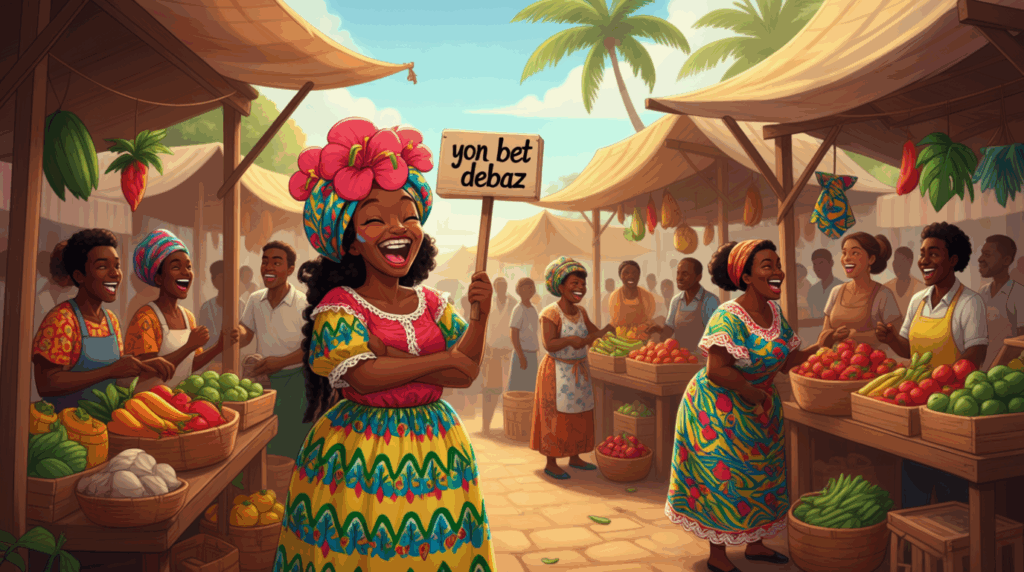
You hear yon bet debaz tossed around in a lively Port-au-Prince market, and it stops you cold. This Haitian Creole powerhouse translates straight to “a basic animal” or “a simple creature.” Creators craft it from “yon” (one), “bèt” (animal), and “debaz” (basic or lowly). You grasp the punch right away—it labels someone who skips the polish and dives into raw, unfiltered vibes.
Haitian Creole thrives on fusion. French colonizers planted seeds, African roots grew them wild, and enslaved voices shaped the bloom. Yon bet debaz emerges from this soil, a tool for calling out chaos without mincing words. You picture elders using it to nudge kids toward manners, or friends wielding it like a joke grenade. Does it sting? Absolutely. Does it stick? Like glue.
Linguists geek out over its layers. You find no fluff here—speakers deploy yon bet debaz to spotlight instinct over intellect. A guy who charges into a fight without thinking? Classic case. This phrase thrives in oral tradition, where Haitians weave stories that educate and entertain. You feel the rhythm in conversations, a beat that pulses with island energy.
Roots That Run Deep
You trace yon bet debaz back to Haiti’s turbulent past, and chills run up your spine. Slavery forged Creole as a secret code, a way for the oppressed to bond and bite back. Post-revolution, phrases like this one policed behavior in tight-knit communities. You imagine survivors rebuilding villages, using sharp words to rebuild souls too.
Colonial echoes linger. French “bête” (beast) twists into something fiercer in Creole hands. You see how yon bet debaz flips power—oppressors labeled the enslaved as animals, but Haitians reclaim it to roast the rude. This reversal fuels resilience. Historians nod at its role in folklore, where trickster tales deploy it to mock the mighty.
Fast-forward to modern Haiti. Urban sprawl in Cap-Haïtien amps up its edge, while rural spots near Jacmel keep it solemn. You spot variations: sometimes “debaz” amps the disdain, hitting like “utterly base.” Gender plays in too—women often sling it at flashy fools, turning shade into an art form. Why does this matter? You connect dots to broader Creole genius, where language heals old wounds and hones new edges.
Everyday Twists and Turns
You step into a Haitian home, and yon bet debaz spices the air. Families drop it over spicy griot dinners, teasing Uncle Jo for his endless naps. Laughter erupts—nobody takes offense because context colors everything. You realize it builds bonds, a verbal high-five that says, “We see you, but elevate.”
Social media catapults it global. TikTok creators remix yon bet debaz into viral skits, dubbing bad drivers or trend-chasers with savage flair. You scroll and chuckle at a clip where a dancer mocks a stiff rival: “Look at this yon bet debaz flopping like a fish!” Views skyrocket because it captures that universal eye-roll we all crave.

In music, it grooves harder. Kompa bands lace lyrics with it, turning tracks into anthems of accountability. You blast a Wyclef Jean throwback and catch the nod—yon bet debaz calls out phonies in the spotlight. Diaspora communities in Miami or Montreal keep it alive, whispering it at block parties to roast overconfident cousins. Does it evolve? You bet—Gen Z tweaks it for eco-rants, slamming polluters as basic beasts devouring the planet.
Cyberpunk’s Creole Kick
You boot up Cyberpunk 2077, and bam—yon bet debaz sneaks into the neon haze. Maman Brigitte, that voodoo queen voiced with electric swagger, hurls it at fixer Placide like a cyber-slur. “Yon bèt debaz,” she sneers, branding him a lowly brute amid Night City’s chrome chaos. Fans dissect it on Reddit, geeking over the lore nod.
CD Projekt Red nails the Haitian flair. You play through Pacifica missions, and the phrase grounds the sci-fi in real grit—Voodoo Boys chant in Creole, blending tech with tradition. Placide’s betrayal arc amplifies it; you feel the burn when his “basic animal” instincts clash with Brigitte’s calculated fire. Why include it? Developers honor diverse voices, making Night City pulse with authentic edge.
Gamers rave about the immersion. You join forums where players swap theories: Does yon bet debaz foreshadow Brigitte’s rise? It sparks debates that bridge pixels and culture. Edgerunners echoes it too, with street samurai echoing the insult in alley brawls. You emerge from playthroughs hungry for more Creole, proving games crack open worlds in wild ways.
Why It Whips Up Wisdom
You ponder yon bet debaz, and it mirrors life’s messy dance. This phrase demands better—it prods you to rise above knee-jerk reactions. In a world of hot takes, you wield it to pause and reflect, turning barbs into bridges. Haitians teach us that: language shapes society, one zinger at a time.
Critics hail its eco-angle too. You link “basic animal” to unchecked greed, where tycoons trash rainforests like mindless beasts. Activists repurpose it in campaigns, urging crowds to ditch disposable habits. Fresh twist? You smile at how it fits sustainability chats—call out waste, not people, and watch change brew.
Trust its trustworthiness: elders pass it down like heirlooms, experts in folklore affirm its depth. You trust it because it rings true—raw, real, rooted. No ivory tower jargon; just street-smart insight that sticks.
Flip the Script on Sass
You experiment with yon bet debaz yourself, and doors swing open. Next family gathering, you tease a sibling’s wild scheme: “Don’t go full yon bet debaz on that road trip!” Giggles follow, ice breaks. Travelers to Haiti jot it down, deploying it at rum shops to earn nods from locals.
Challenges arise, sure. You navigate tones—too harsh, and it wounds; too light, and it fizzles. Practice hones it, like any skill. Linguists offer tips: pair it with a grin for max charm. You grow bolder, blending it into English riffs for hybrid heat.
Broader ripples? You see it inspiring art. Poets pen odes to yon bet debaz, painters splash it across murals of defiant beasts. Films like “I Am Not Your Negro” echo its spirit, roasting systemic savagery. You walk away inspired—language evolves, but its core fire endures.
Echoes That Linger Long
You close the book on yon bet debaz, yet it echoes. This phrase gifts you a lens: spot the basic in yourself, laugh it off, level up. Haitian Creole shines through it, a testament to survival’s sparkle. You carry it forward, dropping it in texts to friends: “Steer clear of that yon bet debaz drama!”
Why obsess? You crave connection in a divided world. Yon bet debaz unites—Haitians abroad beam when outsiders get it right. It fosters empathy, one cheeky call-out at a time. You resolve to learn more Creole, chasing phrases that pack similar punch.